This guide was prepared with AI assistance and source checks.
Before a blood sugar check, ask which test is being considered and whether it requires preparation. Bring existing readings with their dates and explain any symptoms. For a non-emergency question, call Southgate Urgent Care at 734-324-7800 to confirm whether the requested assessment can be arranged. The clinic is at 14523 Northline Rd, Southgate, MI 48195. A routine testing request should never delay emergency assessment for serious symptoms.
Clarify the purpose before changing your routine
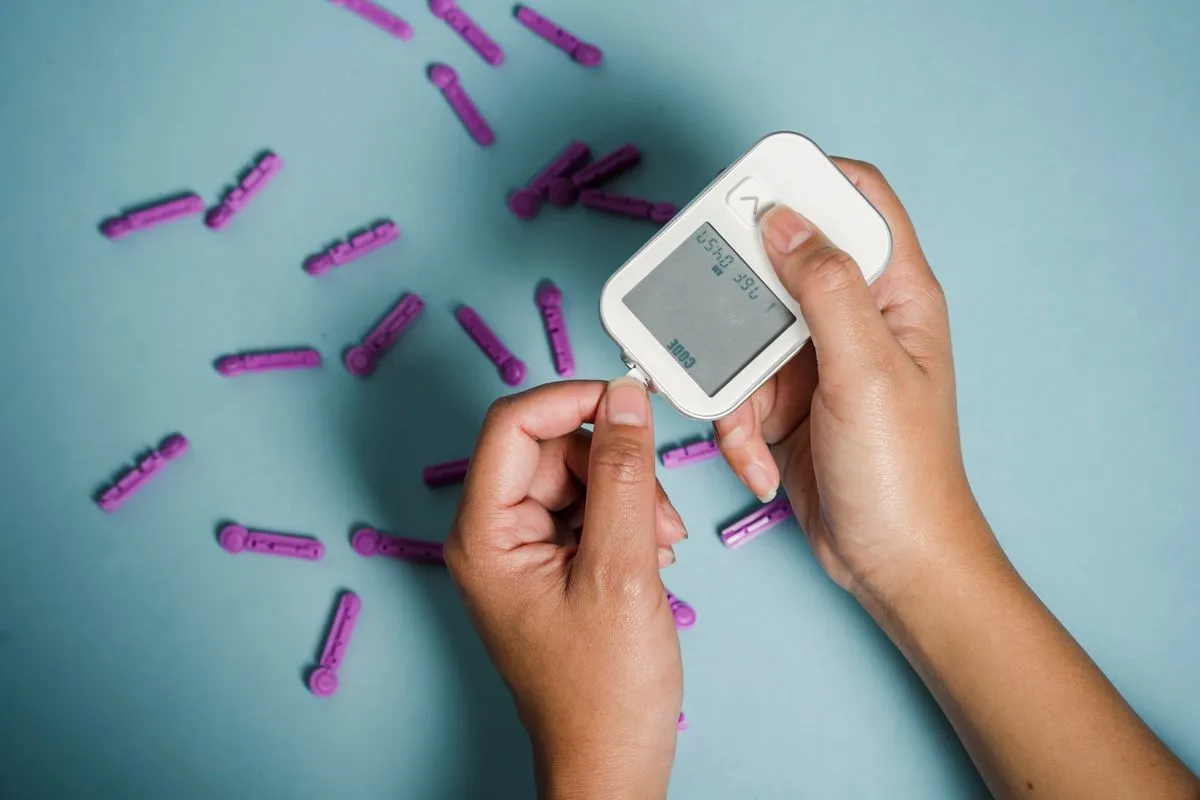
MedlinePlus explains that glucose testing measures sugar in the blood. Testing may help investigate symptoms, screen for diabetes, or monitor a known condition. Different tests answer different questions. Ask whether the goal is to assess a current concern, review an existing diagnosis, or complete a test requested by another healthcare provider.
Some glucose tests require fasting, while others do not. An A1C test reflects average glucose over roughly three months and does not require fasting. Do not assume that every blood sugar check has the same preparation. Ask the team arranging your specific test for instructions, including how your usual medicines fit with any requested fasting.
If another office ordered testing, have the order available when you call. Confirm the exact test name and where collection should occur. A general request for a sugar check may not match the original order. Ask who should receive the result and which office will explain it before making an extra trip.
Make existing readings understandable
If you already monitor glucose, bring the records you have rather than trying to create a perfect new log. Keep the number, unit, date, and time together. Explain whether the reading came from a meter, a sensor, or a laboratory report. Ask how the clinician would like to review your records; do not assume the clinic can connect to a particular device or account.
- What prompted the visit: symptoms, an unexpected reading, or another provider's request?
- When were the readings taken, and were they before or after eating?
- What symptoms occurred at the same time, and are they happening now?
- Which medicines and supplements do you take, and have any recently changed?
- Have illness, eating patterns, or usual activities changed?
- Do you have an existing diabetes care plan and a regular clinician to contact?
Report missing information honestly. A reading without a time is still worth discussing, but do not guess its relationship to a meal. Bring medication names or an up-to-date list. If you have already spoken with your diabetes team, explain what it advised and what remains unresolved. Ask how to share relevant records securely.
Emergency warning signs take priority
CDC describes diabetic ketoacidosis, or DKA, as a potentially life-threatening emergency. It can sometimes be the first noticeable sign of diabetes. In its DKA guidance, CDC instructs people to go to an emergency room or call 911 right away for glucose that stays at 300 mg/dL or above, fruity-smelling breath, vomiting with inability to keep food or drinks down, trouble breathing, or multiple DKA symptoms.
CDC also says high ketones require calling 911 or going to an emergency room right away. Do not wait for a routine clinic check or finish organizing a log first. These warning signs do not diagnose the reader, and they are not a complete emergency checklist. Explain current symptoms when seeking help rather than reporting only a number.
Ask what the result establishes
MedlinePlus notes that interpretation depends on the type of test, other results, and medical history. Ask what the result means in your circumstances, whether further testing is needed, and who will arrange it. Avoid deciding from one unfamiliar number that you have a new diagnosis or should change a prescribed medicine.
Before leaving, identify the office responsible for ongoing care and any pending results. Ask when follow-up should happen and which changes require earlier contact. If you already have diabetes, ask how this visit connects with your established care plan. Keep the visit summary and test details together so your regular healthcare team can review what was measured and what next step was recommended.
Related care and visit information
Explore these care topics and contact your clinic to confirm a service, test, or visit requirement.