
This guide was prepared with AI assistance and source checks.
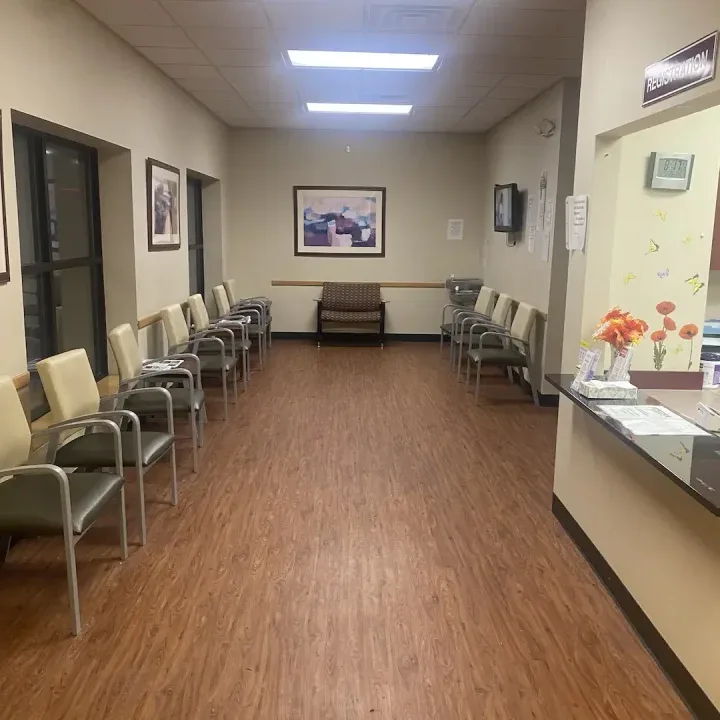
For an adult diarrhea assessment, record when it began, how often you are having loose stools, and whether drinking and urination have changed. Check warning signs before treating the concern as a routine visit. Southgate Urgent Care is at 14523 Northline Rd, Southgate, MI 48195. Call 734-324-7800 to discuss whether the clinic is appropriate for your symptoms and confirm arrangements. This guide focuses on adults; children need age-specific advice.
Some symptoms need a doctor right away
The National Institute of Diabetes and Digestive and Kidney Diseases, or NIDDK, advises talking with a doctor right away for diarrhea with mental-state changes, frequent vomiting, severe abdominal or rectal pain, black tarry stools, red blood or pus in stools, or dehydration symptoms. Adults also need that right-away contact for diarrhea lasting more than two days, high fever, or six or more loose stools daily.
Dehydration clues include unusually strong thirst, dry mouth, reduced urination, dark urine, or dizziness. Do not wait to finish your notes when these occur. NIDDK also advises staying in touch with a doctor if you have diarrhea and are pregnant, older than 65, taking antibiotics, or have a weakened immune system. Explain these circumstances when requesting advice.
Describe what happened without naming the cause
A useful account starts with observations. Write that symptoms began after a meal or during a trip rather than declaring that a particular food caused them. Tell the clinician what you know and what remains uncertain. If this episode differs from a recurring digestive problem, explain the difference in your own words.
- When did the loose stools begin, and approximately how many have occurred each day?
- What changes have you noticed in stool appearance, including blood or an unusually dark color?
- Have you had vomiting, pain, fever, thirst, dizziness, or reduced urination?
- What medicines and supplements do you use, and have you recently taken antibiotics?
- Have your eating habits changed, or have you recently traveled internationally?
- What ongoing digestive conditions or relevant family history should the clinician know?
NIDDK identifies symptom history, eating and drinking habits, medicines, medical history, and travel as useful parts of assessment. Bring product names rather than relying on descriptions such as a stomach medicine. An approximate count is useful if an exact one is unavailable. Do not delay care to reconstruct every meal or bathroom trip.
Ask about assessment before requesting a test
NIDDK explains that evaluation may include history, examination, and tests when the clinician considers them useful. A stool test can look for certain causes or findings, while blood testing may help assess problems such as dehydration. These are general evaluation options, not a statement that Southgate provides a particular test.
When calling the clinic, describe the illness before asking for a named test. Ask whether the concern can be assessed there and what happens if another setting is needed. If you already have a test order from another provider, explain exactly what it requests and ask that provider where collection should occur.
Get collection instructions before bringing a sample
If stool testing is recommended, ask who supplies the container and where the sample must go. NIDDK describes receiving a collection container and instructions from a healthcare professional. Do not assume an ordinary household container is acceptable. Confirm the requested handling and delivery steps with the team arranging the test.
Write those instructions down if you feel unwell or are worried about remembering them. Ask whom to call if collection cannot be completed as directed. Confirm whether testing occurs through the clinic or another organization and which contact handles questions. Avoid making an extra trip based only on an assumption about where a sample belongs.
Make follow-up responsibilities clear
Before leaving, ask what remains uncertain, which results are pending, and how you will receive them. Request individual guidance about drinking, food, and any products you have already used. Tell the clinician about practical difficulties following the plan so you can discuss an alternative. This article does not recommend a medicine or dose.
Ask who should reassess symptoms that continue and what to do if an expected result does not arrive. Keep the visit summary with your symptom notes. Right-away warning signs take priority over routine forms, sample logistics, or waiting for a preferred clinic to respond.
Related care and visit information
Explore these care topics and contact your clinic to confirm a service, test, or visit requirement.