
About this service
Foot and ankle injuries are common and can make walking or standing painful and difficult. These injuries may result from falls, sports activity, overuse, twisting motions, or accidents. Prompt evaluation is important to relieve pain, prevent complications, and determine whether further treatment is needed. A medical provider can assess many non-emergency foot and ankle injuries.
What to Expect
A visit may include:
Your provider can discuss aftercare and a safe return to activity.
- Review how the injury occurred and your current symptoms
- Examine the foot and ankle for swelling, bruising, tenderness, and range of motion
- Assess circulation, sensation, and stability
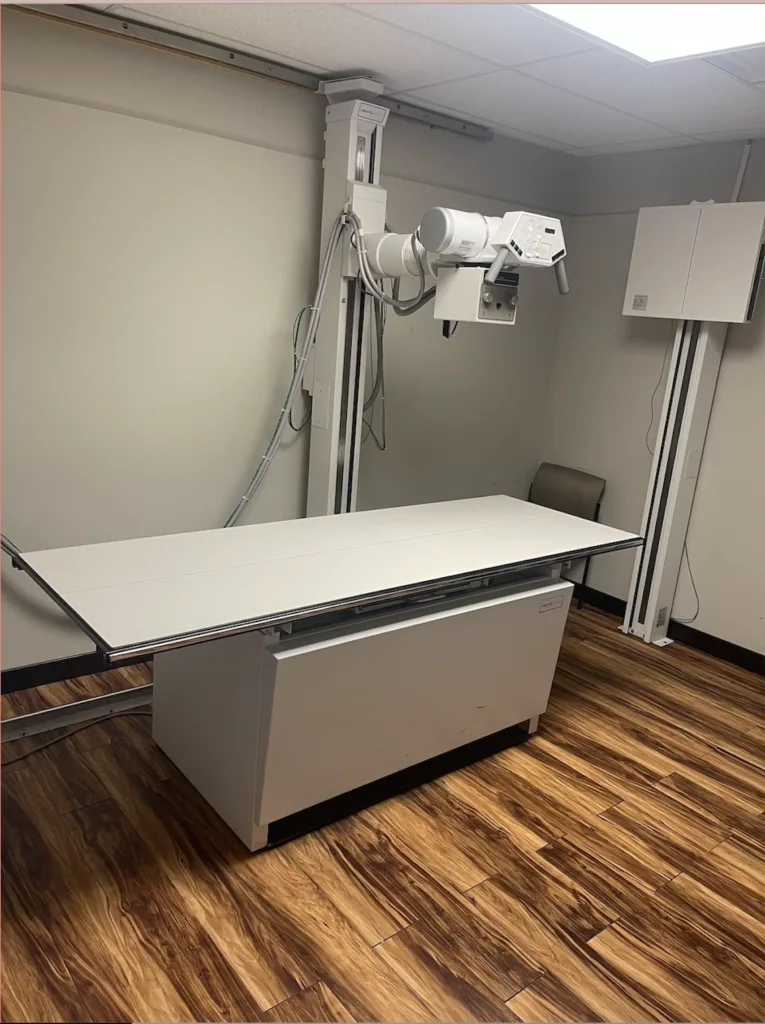
- Determine whether imaging such as X-rays is needed to evaluate for fractures
- Provide treatment, which may include pain relief, splinting, supportive bracing, activity modification, or crutches when appropriate
When to Visit
You should visit urgent care for foot or ankle injuries if you have:
- Pain or swelling after a fall, twist, or impact
- Difficulty walking or bearing weight
- Ankle sprains or suspected fractures
- Bruising, tenderness, or deformity
- Worsening pain despite rest and ice
When to seek emergency care
Seek emergency care immediately for severe pain, obvious deformity, numbness, loss of circulation, open wounds, or injuries involving major trauma.
Frequently asked questions
Can urgent care treat ankle sprains?
Yes. Ankle sprains and many other soft tissue injuries can be evaluated and treated at urgent care.
Will I need an X-ray?
X-rays may be ordered if a fracture or significant injury is suspected.
Can urgent care provide crutches or braces?
Yes. Supportive devices such as braces or crutches may be provided when appropriate.
How long does recovery take?
Recovery depends on the type and severity of injury, but many patients improve within days to weeks.