
This guide was prepared with AI assistance and source checks.
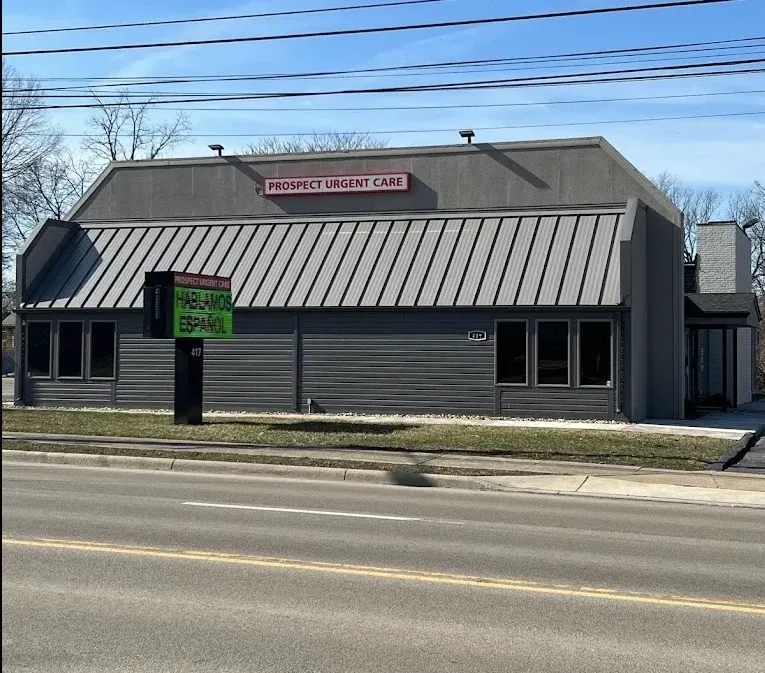
After a finger is caught in a door or struck by an object, describe movement, feeling, skin damage, and nail position when seeking advice. Those details matter more than calling it a bruise. Some findings need medical attention right away. For a non-emergency concern, call Prospect Urgent Care at 440-381-8520 to confirm whether the injury can be assessed there. Prospect is at 417 W Prospect Rd, Ashtabula, OH 44004.
Recognize changes that need attention right away
MedlinePlus advises medical attention right away if a crushed finger is bent and cannot straighten, bone is exposed through a wound, the fingertip cannot move or has lost feeling, the injury involves a joint or palm, or the nail is displaced from its normal position. Do not delay for routine paperwork or assume that a small injured area means a minor problem.
Contact a provider if pain becomes severe with blood beneath the nail. MedlinePlus also advises against draining that blood or splinting a smashed finger without provider guidance. Do not turn the injury into a home procedure while waiting for advice. Describe the actual findings so a healthcare professional can direct you to the appropriate setting.
Tell the story of the force and the changes
Explain what struck or trapped the finger and approximately when it happened. Include whether one fingertip or a larger part of the hand was involved. If you do not know exactly how the hand was positioned, say so. You do not need to recreate the accident or force a painful movement to give a useful account.
- Identify the affected hand and finger, and say which hand you normally use for most tasks.
- Describe the object or closing surface involved and the approximate injury time.
- Report changes in feeling, movement, finger shape, skin, or nail position.
- Explain how pain and swelling have changed since the injury.
- List first aid, dressings, medicines, or other measures already used.
- Mention previous problems in that finger and bring relevant records already available.
Keep observations separate from guesses. Saying that the nail looks darker is more useful than deciding that it must fall off. If someone else witnessed the incident, include information they can reliably provide. Tell the clinician if an older limitation makes it difficult to judge what movement is new.
Ask what the examination needs to clarify
MedlinePlus explains that finger-pain assessment includes examination of hand and finger movement and may include an X-ray. Treatment depends on the cause. Ask what the examination suggests, what remains uncertain, and whether further evaluation is needed. A nail injury, movement problem, and painful swelling may raise different questions.
When calling Prospect, explain your findings before asking for imaging or a particular procedure. Confirm any requested service and whether the clinic is appropriate for the injury. For a child, ask about age, guardian attendance, and consent arrangements. A phone conversation cannot guarantee that all care will be completed at that location.
Make daily hand use part of the discussion
Prepare examples of tasks that are difficult, such as fastening clothing, using a keyboard, or holding a cup. Tell the clinician about work duties that require gripping, tools, gloves, or repeated hand movements. Ask what activity guidance fits the findings rather than testing the injury repeatedly to see what you can tolerate.
If the injury happened at work, ask your employer about its reporting process and any visit authorization. Tell the clinic that the concern is work-related. Keep these administrative questions separate from the need for medical assessment. A supervisor's response or missing document should not delay attention to the right-away warning signs described above.
Clarify what to watch for after assessment
MedlinePlus advises provider contact for finger numbness or tingling, severe pain at rest, redness, swelling, fever, or an inability to straighten the fingers. It also recommends assessment for substantial swelling or swelling that does not settle after about a day. Follow any more specific instructions given for your injury.
Before leaving, ask whether another examination is needed, who should arrange it, and what to do if movement or sensation changes. If a dressing or support is provided, request instructions you can follow at home. Ask how the plan affects bathing, daily tasks, and work, and where to direct questions.
Keep the written plan accessible and confirm how any pending report will reach you. If another office needs the visit record, ask how to share it. Make sure you know which next step is your responsibility, especially when further assessment is recommended.
Related care and visit information
Explore these care topics and contact your clinic to confirm a service, test, or visit requirement.